Why Gut Health Matters More Than You Think
Your gut is often called your ‘second brain’ for a good reason. It’s home to trillions of microorganisms—bacteria, fungi, and viruses—collectively known as the gut microbiome. This complex ecosystem plays a crucial role not just in digestion, but also in your immune system, mood, metabolism, and even skin health. When your gut microbiome is out of balance, it can lead to a host of problems, from digestive discomfort and fatigue to chronic inflammation and weakened immunity.
The good news? You have incredible power to influence your gut health through what you eat. Food is medicine, and by making conscious choices, you can cultivate a thriving internal environment. Here are the best foods to incorporate into your diet to heal and nourish your gut.
1. Probiotic-Rich Foods: The Good Bacteria Builders
Probiotics are live beneficial bacteria that, when consumed, can help replenish and diversify your gut microbiome. Think of them as reinforcements for your gut’s army of good microbes.
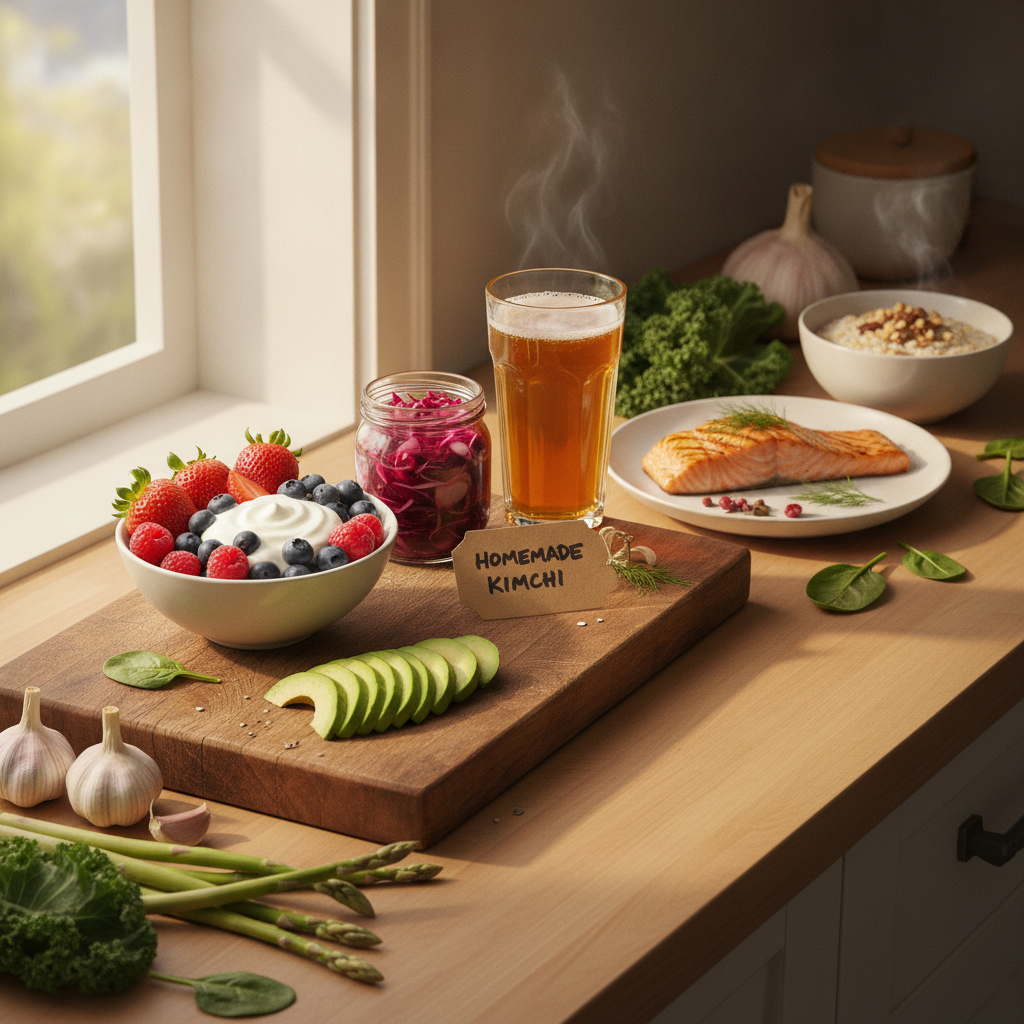
- Yogurt and Kefir: Opt for plain, unsweetened varieties with live and active cultures. These fermented dairy products are excellent sources of diverse probiotic strains.
- Sauerkraut and Kimchi: Fermented cabbage dishes that are packed with probiotics, enzymes, and fiber. Look for raw, unpasteurized versions in the refrigerated section.
- Kombucha: A fermented tea beverage that offers a refreshing way to get probiotics. Be mindful of sugar content in some brands.
- Tempeh and Miso: Fermented soybean products popular in Asian cuisine. They provide probiotics along with plant-based protein.
Start with small portions and gradually increase to allow your gut to adjust.
2. Prebiotic-Rich Foods: Fuel for Your Microbiome
Prebiotics are non-digestible fibers that act as food for the beneficial bacteria (probiotics) already in your gut. They help these good bacteria grow and thrive, leading to a healthier microbiome.
- Garlic and Onions: These common kitchen staples are fantastic sources of prebiotics.
- Leeks and Asparagus: More delicious vegetables that provide essential prebiotics.
- Bananas: Especially slightly green ones, contain resistant starch, a potent prebiotic.
- Oats: A whole grain rich in beta-glucan, a soluble fiber with prebiotic benefits.
- Apples: Pectin, found in apples, is another excellent prebiotic fiber.
Including a variety of these foods ensures your good gut bacteria have plenty to eat.
3. Fiber-Rich Foods: The Gut’s Best Friend
Fiber is crucial for a healthy digestive system. It adds bulk to stool, aids in regular bowel movements, and supports the growth of beneficial bacteria. Most people don’t get enough fiber.
- Whole Grains: Quinoa, brown rice, whole wheat, and oats are packed with both soluble and insoluble fiber.
- Legumes: Beans, lentils, chickpeas, and peas are powerhouse sources of fiber and plant-based protein.
- Berries: Blueberries, raspberries, and strawberries are not only delicious but also high in fiber and antioxidants.
- Nuts and Seeds: Chia seeds, flaxseeds, almonds, and walnuts provide fiber, healthy fats, and other nutrients.
- Leafy Greens: Spinach, kale, and collard greens are rich in fiber, vitamins, and minerals.
Gradually increase your fiber intake and drink plenty of water to prevent discomfort.
4. Collagen-Boosting Foods: Repairing the Gut Lining
Collagen is the most abundant protein in your body and is vital for the integrity of your gut lining. A strong gut lining prevents unwanted substances from leaking into your bloodstream, a condition sometimes referred to as ‘leaky gut’.
- Bone Broth: Made by simmering animal bones, bone broth is rich in collagen, gelatin, and amino acids like glycine and glutamine, which are crucial for repairing and soothing the gut lining.
- Fatty Fish: Salmon, mackerel, and sardines provide omega-3 fatty acids, which reduce inflammation, and their skin can be a source of collagen.
- Eggs: Especially egg yolks, contain amino acids that support collagen production.
Consider adding a quality collagen supplement if dietary sources are insufficient.
5. Anti-Inflammatory Foods: Soothing the Gut
Chronic inflammation in the gut can damage the lining and disrupt microbial balance. Foods rich in antioxidants and omega-3 fatty acids can help calm inflammation.
- Fatty Fish: As mentioned, salmon, tuna, and mackerel are excellent sources of anti-inflammatory omega-3s.
- Turmeric and Ginger: These spices are renowned for their powerful anti-inflammatory properties. Incorporate them into cooking or teas.
- Leafy Green Vegetables: Spinach, kale, and other greens are packed with antioxidants and phytonutrients that combat inflammation.
- Berries: Rich in anthocyanins and other antioxidants, berries help reduce oxidative stress and inflammation.
Foods to Limit or Avoid
While focusing on beneficial foods, it’s equally important to reduce or eliminate foods that can harm your gut. These include highly processed foods, excessive sugar, artificial sweeteners, unhealthy fats, and excessive alcohol, all of which can disrupt the microbiome and promote inflammation.
Hydration is Key
Don’t forget the power of water! Staying well-hydrated is essential for maintaining healthy digestion, helping fiber do its job, and supporting overall gut function.
Start Your Gut Healing Journey Today
Healing your gut is a journey, not a destination. By consistently incorporating these gut-friendly foods into your diet, you’ll be well on your way to a healthier, happier digestive system and improved overall well-being. Listen to your body, make gradual changes, and consult with a healthcare professional or registered dietitian for personalized advice.