Understanding Cholesterol and Its Impact
High cholesterol is a silent threat, often leading to serious health issues like heart disease. Many people are searching for effective ways to tackle this, wondering what truly reduces cholesterol quickly. While immediate drastic drops might be unrealistic, consistent efforts can significantly improve your lipid profile in a relatively short timeframe. This guide will explore seven science-backed strategies to help you achieve better cardiovascular health.
Cholesterol is a waxy, fat-like substance found in all your body’s cells. While essential for building healthy cells, high levels of “bad” low-density lipoprotein (LDL) cholesterol can increase your risk of heart disease. Conversely, “good” high-density lipoprotein (HDL) cholesterol helps remove excess cholesterol from your arteries.
Maintaining healthy cholesterol levels is paramount for preventing plaque buildup in your arteries, a condition known as atherosclerosis. This buildup can narrow arteries, restricting blood flow and potentially leading to heart attacks or strokes. Therefore, understanding how to manage these levels proactively is crucial for long-term well-being.
Dietary Changes That Reduces Cholesterol Quickly
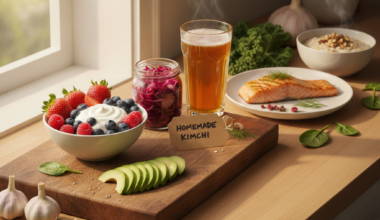
Your diet plays a monumental role in managing cholesterol levels. Making targeted adjustments can be one of the most effective ways that reduces cholesterol quickly and sustainably. Focus on nutrient-dense foods while minimizing those known to raise LDL.
Embrace Soluble Fiber
Soluble fiber forms a gel-like substance in your gut, which binds to cholesterol and prevents its absorption. Foods like oats, barley, apples, citrus fruits, beans, and lentils are excellent sources. Aim for 5-10 grams or more of soluble fiber daily to see noticeable improvements.
This dietary component is a cornerstone for anyone looking to understand what reduces cholesterol quickly. Regular intake not only lowers LDL but also supports overall digestive health.
Incorporate Omega-3 Fatty Acids
Omega-3 fatty acids, found in fatty fish like salmon, mackerel, and sardines, can lower triglycerides and may have a modest effect on increasing HDL cholesterol. Plant-based sources include flaxseeds, chia seeds, and walnuts. Including these in your diet regularly supports heart health.
While not directly targeting LDL as much as fiber, omega-3s contribute to a healthy lipid profile. They are a valuable addition to any strategy designed to improve cardiovascular markers.
Limit Saturated and Trans Fats
Saturated fats, found in red meat, full-fat dairy, and many processed foods, directly raise LDL cholesterol. Trans fats, often in fried foods and baked goods, are even worse, both raising LDL and lowering HDL. Eliminating these from your diet is a critical step.
This single change can significantly impact your cholesterol readings, making it a primary focus for those seeking what reduces cholesterol quickly. Always check food labels for hidden sources of these unhealthy fats.
Add Plant Sterols and Stanols
These plant compounds are structurally similar to cholesterol and compete with it for absorption in the digestive tract. Foods fortified with plant sterols/stanols, such as certain margarines, orange juice, or yogurt, can help lower LDL cholesterol. Supplements are also available, but dietary sources are often preferred.
Regular consumption of these natural compounds provides a proactive approach to managing your cholesterol. They are a powerful tool in understanding what reduces cholesterol quickly through dietary interventions.
Lifestyle Adjustments That Reduces Cholesterol Quickly
Beyond diet, several lifestyle modifications are crucial for improving cholesterol levels. These changes work synergistically to enhance your cardiovascular health. Implementing these habits will amplify the benefits of your dietary efforts.
Regular Physical Activity
Engaging in moderate physical activity for at least 150 minutes per week can raise HDL (“good”) cholesterol and lower LDL (“bad”) cholesterol. Activities like brisk walking, jogging, cycling, or swimming are excellent choices. Even short bursts of activity throughout the day can make a difference.
Consistent exercise is a potent factor in any plan that reduces cholesterol quickly. It also offers numerous other health benefits, including weight management and stress reduction. For more ways to feel energetic, check out our guide on how to boost energy naturally.
Maintain a Healthy Weight
Losing even a small amount of weight can significantly improve your cholesterol levels. Excess weight, particularly around the abdomen, can increase LDL cholesterol and decrease HDL cholesterol. A balanced diet combined with regular exercise is the most effective approach to weight management.
Achieving and maintaining a healthy body mass index (BMI) is a foundational step. This adjustment directly contributes to strategies that reduces cholesterol quickly and promotes overall metabolic health.
Quit Smoking
Smoking damages blood vessels, lowers HDL cholesterol, and significantly increases your risk of heart disease. Quitting smoking is one of the most impactful steps you can take for your cardiovascular health. The benefits begin almost immediately after cessation.
This lifestyle change is non-negotiable for anyone serious about improving their cholesterol profile. It dramatically reduces cholesterol quickly by allowing your body to repair itself and function more efficiently.
When to Seek Medical Advice
While lifestyle and dietary changes are incredibly powerful, it’s essential to consult with your doctor. They can provide personalized advice, monitor your progress, and determine if medication is necessary. Regular check-ups are vital for managing high cholesterol effectively.
Your healthcare provider can offer insights into what specifically reduces cholesterol quickly based on your individual health profile. They might recommend statins or other medications if lifestyle changes alone aren’t sufficient. For comprehensive information on cholesterol management, visit the Mayo Clinic’s guide on high cholesterol.
Practical Tips for Sustained Success
Consistency is key when aiming to lower cholesterol. Small, sustainable changes are often more effective than drastic, short-lived efforts. Keep a food diary, track your physical activity, and celebrate small victories.
Educating yourself about healthy eating and cooking methods can make a big difference. Plan your meals, shop smart, and prepare nutritious options at home. Understanding what reduces cholesterol quickly is just the first step; consistent application is where real change happens. For more healthy eating tips, explore resources from the NHS on lowering cholesterol.
Conclusion
Taking proactive steps to manage your cholesterol is one of the best investments you can make in your long-term health. By embracing a diet rich in soluble fiber and healthy fats, limiting unhealthy fats, and adopting an active lifestyle, you can significantly improve your lipid profile. Remember, a holistic approach is what truly reduces cholesterol quickly and sustains those benefits. Start implementing these strategies today for a healthier heart and a brighter future.