The Dreaded Drain Clog: A Common Household Headache
Few household issues are as universally frustrating as a clogged drain. Whether it’s a slow-draining sink, a backed-up shower, or a completely blocked bathtub, a clog can bring your daily routine to a screeching halt. The good news? Many clogs don’t require a professional plumber and can be tackled quickly with a few common household items and a bit of elbow grease. At eDiscoverHub.com, we understand the urgency, so let’s dive into how to unclog a drain quickly and effectively.
Why Do Drains Clog Anyway? The Usual Suspects
Understanding what causes clogs can help you prevent them and choose the right method for clearing them. In the bathroom, hair, soap scum, and toothpaste are the primary culprits. In the kitchen, grease, food particles, and coffee grounds are often to blame. Over time, these materials accumulate, creating a stubborn blockage.
Safety First: Before You Begin
Before attempting any DIY drain clearing, always prioritize safety:
- Wear Gloves: Protect your hands from grime, chemicals, and bacteria.
- Ensure Ventilation: If using any chemical solutions (though we’ll focus on natural ones first), make sure the area is well-ventilated.
- Never Mix Chemicals: Seriously, this can create toxic fumes. If you’ve tried one chemical product, do not immediately follow it with another.
Quick & Effective DIY Methods to Unclog a Drain
1. The Boiling Water Blast (For Minor Clogs)
This is often the simplest and first method to try, especially for grease clogs in the kitchen or soap scum in the bathroom.
- Boil a large pot of water (about 1-2 liters).
- Carefully pour the boiling water directly down the drain in two or three stages, waiting a few seconds between each pour.
- The hot water can dissolve grease and loosen other minor blockages.
- Test the drain with warm tap water afterward.
Note: Avoid this method if you have PVC pipes or a toilet clog, as extreme heat can damage PVC or crack porcelain.
2. The Baking Soda & Vinegar Power Duo
This classic combination creates a fizzy chemical reaction that can break down many types of clogs, acting as a natural, less harsh alternative to commercial drain cleaners.
- Remove any standing water from the sink or tub.
- Pour 1 cup of baking soda down the drain.
- Immediately follow with 1 cup of white vinegar.
- You’ll hear fizzing – this is good! Cover the drain with a stopper or rag to contain the reaction and force it downwards.
- Let it sit for 30 minutes to an hour (or even overnight for tough clogs).
- Flush with hot (not boiling) water.
3. The Mighty Plunger
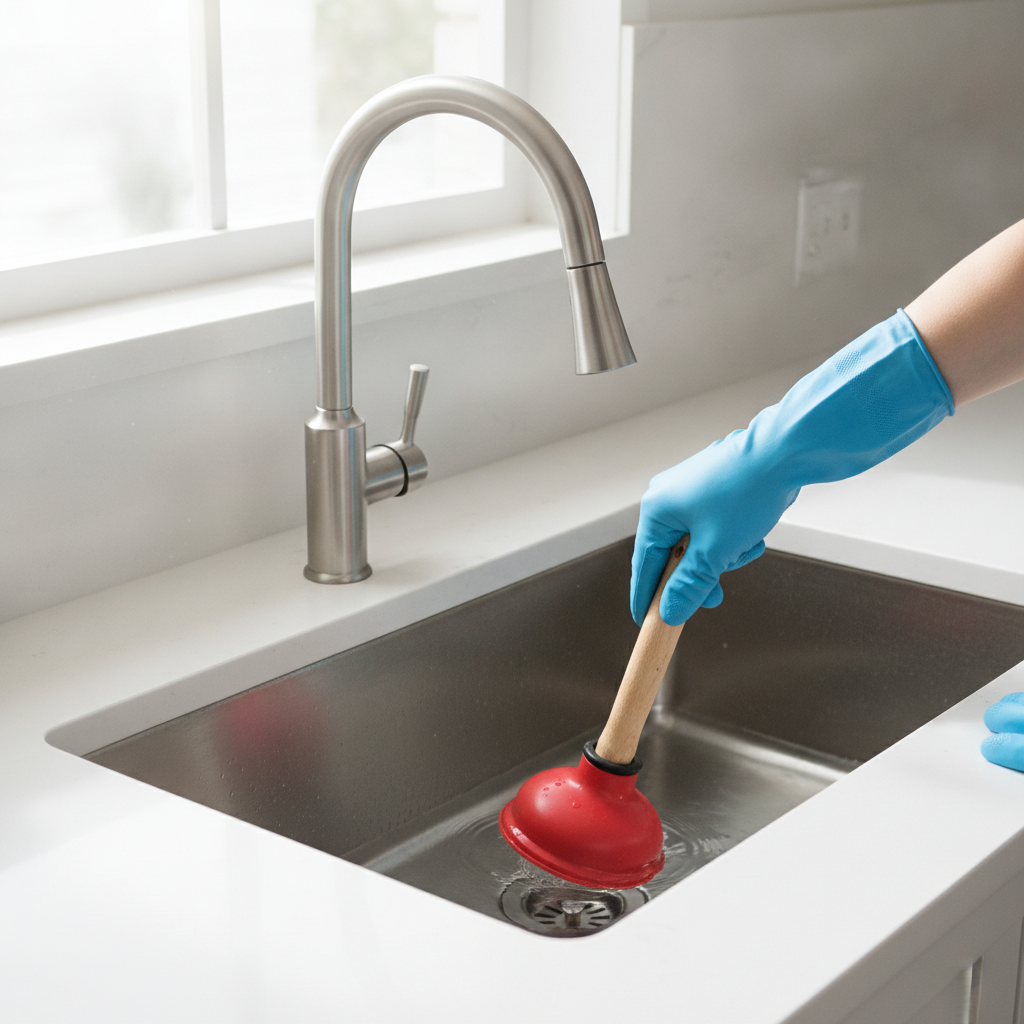
A good old-fashioned plunger is incredibly effective for many clogs. Make sure you have the right type: a cup plunger for sinks/tubs and a flange plunger for toilets.
- Fill the sink or tub with enough water to cover the rubber cup of the plunger. This creates a seal.
- Place the plunger firmly over the drain, ensuring a tight seal.
- Plunge vigorously 10-20 times with a strong, up-and-down motion, maintaining the seal.
- On the last plunge, quickly pull the plunger up to break the seal.
- Repeat if necessary.
4. The DIY Drain Snake (or Wire Hanger)
When the clog is physical and closer to the drain opening, a drain snake (or auger) can be your best friend. Don’t have one? A straightened wire coat hanger can work in a pinch.
- Straighten out a wire coat hanger, leaving the hook at one end.
- Carefully push the hooked end down the drain.
- Twist and maneuver the hanger to try and snag or break up the clog.
- Pull out the hanger slowly, hopefully bringing the clog with it.
- Flush with hot water.
Pro Tip: Be gentle to avoid scratching pipes, especially with a metal hanger.
What About Commercial Drain Cleaners?
While readily available, commercial chemical drain cleaners can be harsh on pipes, dangerous to handle, and often only provide a temporary fix. They can also solidify certain clogs, making them harder for a professional to remove later. We generally recommend exhausting natural and physical methods first.
When to Call a Professional Plumber
Despite your best efforts, some clogs are simply too stubborn or too far down the pipes for DIY solutions. It’s time to call a professional if:
- You’ve tried multiple methods and the clog persists.
- You notice multiple drains clogging simultaneously (this could indicate a main line issue).
- You hear gurgling noises from other drains or toilets when using water.
- Water is backing up into other fixtures.
A professional plumber has specialized tools and expertise to diagnose and clear complex clogs without damaging your plumbing system.
Preventing Future Clogs: A Little Effort Goes a Long Way
The best way to deal with a clog is to prevent it! Here are some simple tips:
- Use Drain Screens: Place screens over all drains to catch hair and food particles.
- Dispose of Grease Properly: Never pour cooking grease down the drain. Let it solidify and dispose of it in the trash.
- Be Mindful of Food Scraps: Scrape plates into the trash before rinsing them in the sink.
- Periodic Flushing: Flush drains with hot water once a week, or use the baking soda and vinegar method monthly as a preventative measure.
- Avoid Flushing Non-Flushable Items: Wipes (even ‘flushable’ ones), cotton balls, and paper towels belong in the trash.
Conclusion
Dealing with a clogged drain can be a nuisance, but armed with these quick and effective DIY methods, you’re well-equipped to tackle most common blockages. Remember to always prioritize safety, and don’t hesitate to call in the pros if the problem persists. By taking preventative steps, you can keep your drains flowing freely and avoid future headaches. Happy unclogging!