Understanding Your Electric Bill: The Hidden Energy Hogs
Are you tired of seeing a surprisingly high number on your monthly electric bill? You’re not alone. Many homeowners scratch their heads, wondering exactly which parts of their daily lives are consuming the most power. Identifying the biggest energy users in your home is the crucial first step to taking control of your electricity costs. At eDiscoverHub.com, we’re here to shine a light on the culprits and help you understand what uses the most electricity at home.
The Top Energy Guzzlers: Where Does Your Money Go?
While almost everything plugged into an outlet uses some electricity, a few categories consistently dominate household energy consumption. Pinpointing these ‘energy hogs’ will give you a clear roadmap for where to start saving.
1. Heating and Cooling (HVAC Systems) – The Undisputed Champion
Without a doubt, your heating, ventilation, and air conditioning (HVAC) system is the single largest consumer of electricity in most homes. Depending on your climate and the time of year, HVAC can account for anywhere from 40% to 60% of your total energy bill. Air conditioners in summer and electric furnaces or heat pumps in winter work tirelessly to maintain comfortable indoor temperatures. Factors like poor insulation, leaky windows, an old inefficient unit, and frequent thermostat adjustments can dramatically increase this percentage.
2. Water Heaters – Keeping Things Toasty Takes Power
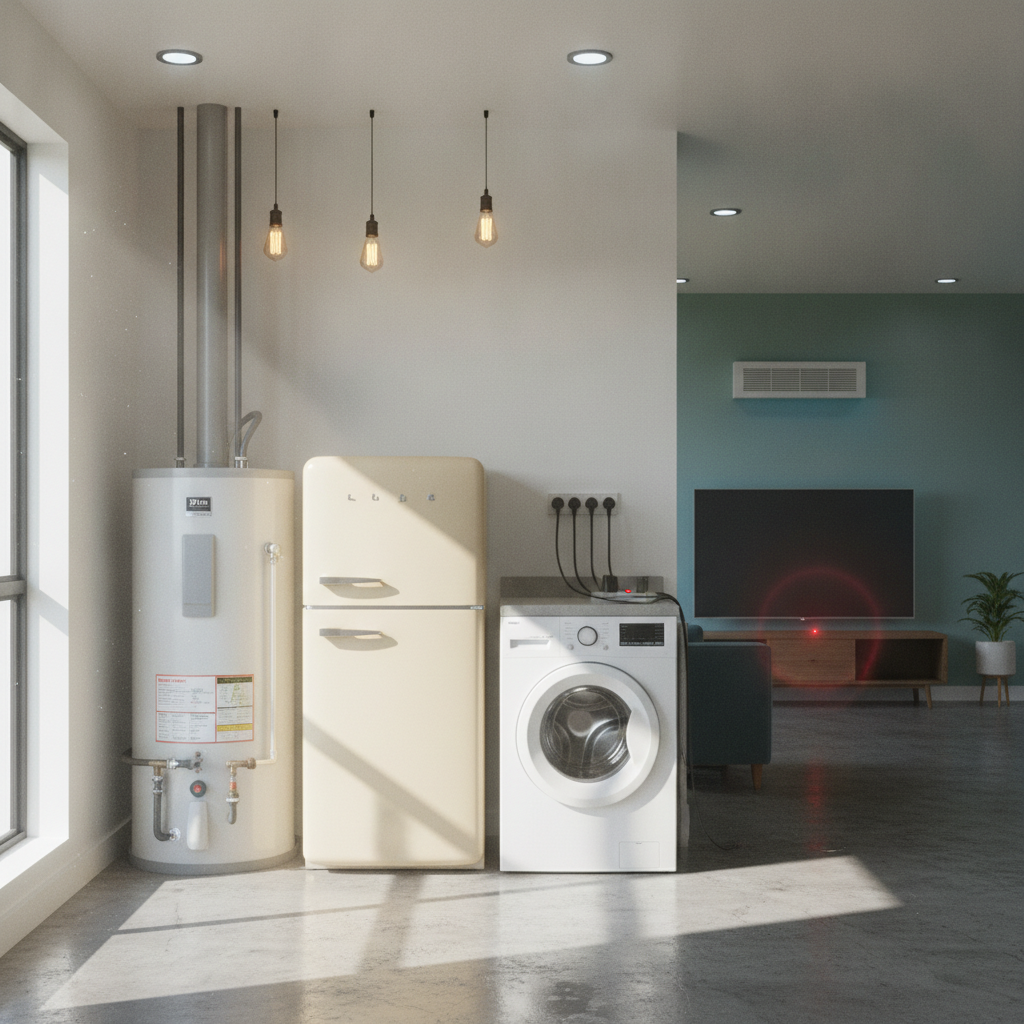
After HVAC, your water heater is usually the second biggest energy user. It constantly works to keep a large tank of water hot, ready for showers, dishes, and laundry. Electric water heaters are particularly energy-intensive. The amount of hot water you use, the temperature setting on your tank, and the age and insulation of the unit all play a significant role in its energy consumption. Think about how many hot showers your family takes daily, and you’ll quickly understand why this appliance makes such a dent.
3. Refrigerators and Freezers – The Constant Workers
Your refrigerator and freezer are unique because they run 24/7, 365 days a year. While individual energy consumption might not seem huge, their constant operation adds up. Older models, especially those from before the Energy Star program became widespread, are notoriously inefficient. Factors like frequently opening the door, a faulty seal, or placing hot food directly inside can make them work even harder, consuming more electricity.
4. Washer and Dryer – The Laundry Duo
Doing laundry is an essential chore, but your washer and dryer are significant energy users. Electric dryers, in particular, use a lot of power to generate heat for drying clothes. Washers also consume energy, especially if you consistently use hot water cycles. The frequency of your laundry loads, the cycle settings, and the efficiency of your appliances directly impact their electricity usage.
5. Lighting – Illuminating Your Home
While individual light bulbs don’t use as much electricity as an HVAC unit, their cumulative effect can be substantial, especially if you still rely on incandescent bulbs. Modern LED lighting is incredibly energy-efficient, using up to 90% less electricity than traditional bulbs and lasting much longer. The number of lights you leave on and the type of bulbs you use significantly influence this category.
6. Cooking Appliances – Kitchen Heat
Electric ovens, stoves, and cooktops generate intense heat, making them substantial energy users when in operation. While they aren’t typically running all day, daily cooking habits can add up. Microwaves, toasters, and coffee makers also contribute, though usually to a lesser extent, due to their shorter usage times.
7. Electronics and ‘Vampire Drain’ – The Silent Siphons
Televisions, computers, gaming consoles, cable boxes, and chargers all draw power even when they’re turned off or in standby mode. This phenomenon is known as ‘vampire drain’ or ‘phantom load.’ While each device’s individual draw is small, the cumulative effect of many devices constantly drawing power can account for 5% to 10% of your total electricity bill. Unplugging devices or using smart power strips can combat this silent siphoning.
Factors Influencing Your Home’s Electricity Consumption
Understanding which appliances use the most electricity is key, but several overarching factors also influence your overall consumption:
- Appliance Age and Efficiency: Older appliances are generally less efficient than newer, Energy Star-rated models.
- Insulation and Weatherization: A well-insulated home with sealed windows and doors prevents heat loss in winter and heat gain in summer, reducing the workload on your HVAC system.
- Household Habits: How often you run appliances, your thermostat settings, and whether you unplug unused electronics all play a role.
- Climate: Living in extreme climates (very hot or very cold) naturally requires more energy for heating and cooling.
Taking Control: What You Can Do
Now that you know what uses the most electricity at home, you’re empowered to make informed decisions. Start by focusing on the biggest energy hogs: your HVAC system and water heater. Ensure they are well-maintained, consider efficiency upgrades, and be mindful of your thermostat settings. Then, look at your major appliances, lighting, and electronics. Even small changes in usage habits or upgrading to more efficient models can lead to significant savings on your electric bill.
By understanding where your energy goes, you can strategically implement changes that not only save you money but also contribute to a more energy-efficient and sustainable home. Visit eDiscoverHub.com for more practical guides and tips to make your home smarter and more economical!