The Frustration of the Forgotten Stain
We’ve all been there: pulling out a favorite shirt, only to discover a faint, yet undeniable, stain that somehow evaded detection during the last wash. Or perhaps a spill happened weeks ago, and now it’s a permanent fixture. Old stains, those that have had time to dry and set into the fabric fibers, can seem like insurmountable foes. They’re often more challenging than fresh spills, leading many to toss perfectly good items. But before you surrender your beloved clothes to the donation pile or the rag bin, what if we told you that the solution might be hiding in your kitchen or bathroom cabinet?
You don’t always need an arsenal of harsh, expensive chemical cleaners to tackle tough, old stains. In fact, some of the most effective stain removers are common household items you likely already own. With a little patience and the right technique, you can often revive garments that seemed destined for the landfill. Let’s dive into the DIY world of stain removal and learn how to harness the power of your pantry.
Why Old Stains Are So Stubborn
Before we jump into solutions, it’s helpful to understand why old stains are such a pain. When a liquid or substance spills, it soaks into the fabric fibers. As time passes and the stain dries, the particles of the staining agent bond more tightly with the fibers. Heat (from drying or ironing) can further ‘set’ these bonds, making them incredibly difficult to break. This is why a multi-pronged approach and sometimes repeated treatments are often necessary for success.
Your Household Stain-Fighting Arsenal
Here are the champions from your home that are ready to take on those old, set-in stains:
1. White Vinegar: The All-Rounder
White vinegar is a miracle worker for many types of stains. Its mild acidity helps break down various substances, from coffee and tea to mildew and some food stains. It’s also great for neutralizing odors. For old stains, mix equal parts white vinegar and water. Apply the solution directly to the stain, let it sit for 30 minutes to an hour (or longer for very tough stains), then gently blot and rinse. For particularly stubborn areas, you can try applying undiluted vinegar, but always test on an inconspicuous area first.
2. Baking Soda: The Gentle Abrasive & Deodorizer
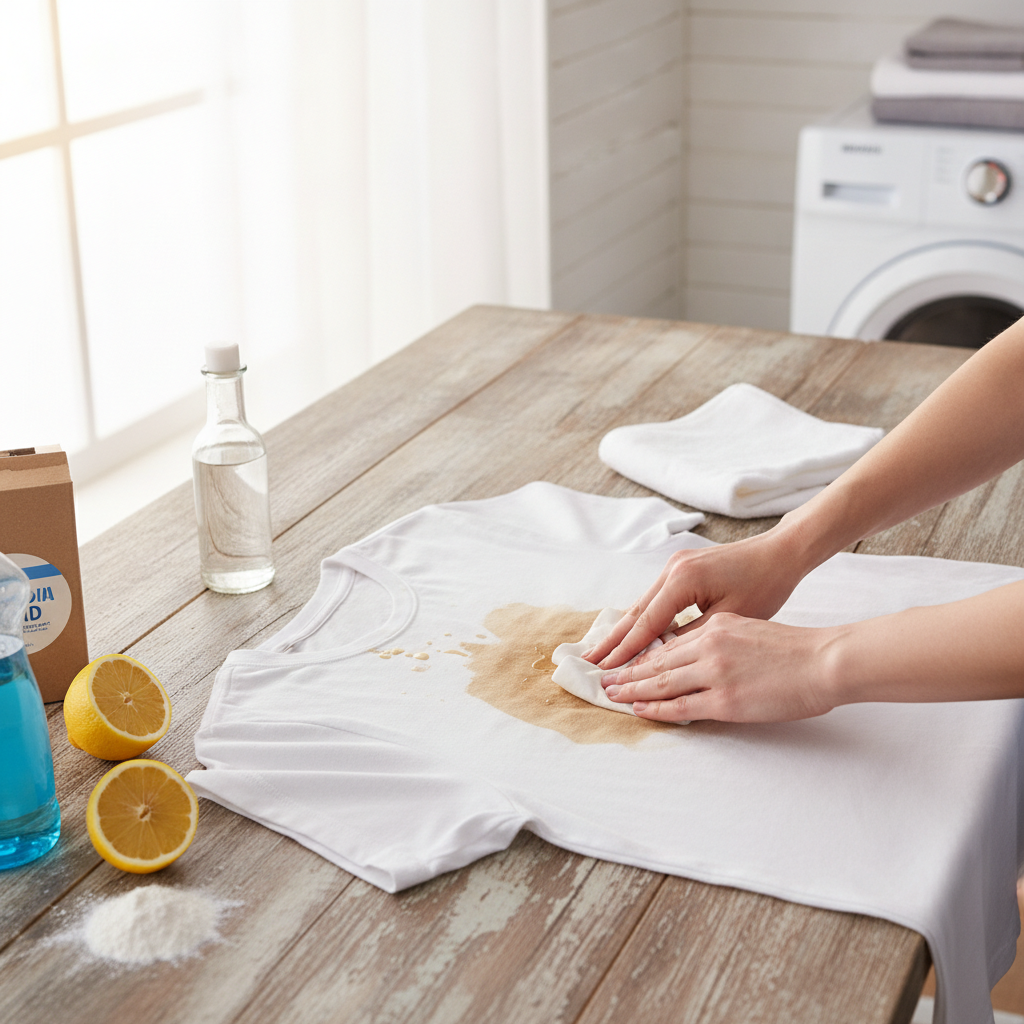
Baking soda is not just for baking! Its mild abrasive quality makes it excellent for scrubbing away grime, while its alkalinity helps lift many stains and neutralize odors. For old stains, create a paste by mixing baking soda with a small amount of water. Apply the paste directly to the stain, ensuring it’s fully covered. Let it dry completely, then brush off the excess. This can be especially effective for oil, grease, and general discoloration.
3. Lemon Juice & Salt: Natural Bleach & Scrubber
Lemon juice acts as a natural bleaching agent, especially when combined with sunlight, making it great for rust stains, some food stains, and general brightening of whites. Salt acts as an abrasive and helps absorb moisture. For rust or mildew stains, squeeze fresh lemon juice onto the stain, sprinkle with salt, and let it sit in direct sunlight for a few hours. Rinse thoroughly afterward. Be cautious with colored fabrics, as lemon juice can lighten them.
4. Hydrogen Peroxide: The Oxygen Bleach
A 3% hydrogen peroxide solution is a fantastic oxygen-based bleach that’s safer for many colored fabrics than chlorine bleach. It’s particularly effective on blood, sweat, red wine, and some food stains. Apply hydrogen peroxide directly to the old stain, let it fizz for 10-15 minutes, then blot and rinse. Always test on an inconspicuous area first, especially on delicate or dark-colored fabrics, as it can cause slight fading.
5. Dish Soap (Especially Degreasers like Dawn)
Dish soap, particularly brands known for cutting grease like Dawn, is incredibly effective on oil-based stains (grease, makeup, food oils). Its surfactants break down oily residues. For old grease stains, apply a small amount of dish soap directly to the stain, gently rub it in with your fingers or a soft brush, and let it sit for 10-15 minutes. Rinse with warm water. This can often loosen up old, set-in grease that other methods miss.
6. Rubbing Alcohol: Ink & Grass Fighter
Rubbing alcohol (isopropyl alcohol) is excellent for dissolving stubborn stains like ink, marker, sap, and grass. Dab a clean cloth with rubbing alcohol and gently blot the stain from the outside in to prevent spreading. Continue dabbing with fresh sections of the cloth until the stain lifts. Rinse thoroughly afterward.
General Steps for Tackling Old Stains
- Identify the Stain (if possible): Knowing the stain type helps you pick the best household item.
- Test First: Always apply your chosen solution to a hidden part of the garment (e.g., an inside seam) to check for colorfastness or damage.
- Scrape/Blot Excess: If there’s any dried, crusty residue, gently scrape it off with a dull knife or spoon.
- Dampen the Area: Lightly moisten the stained area with cool water (unless otherwise specified by the cleaner).
- Apply Your Chosen Household Item: Follow the specific instructions for vinegar, baking soda, lemon, etc.
- Allow Time to Work: Patience is key. Let the solution penetrate and break down the stain. This could be 15 minutes, an hour, or even overnight for very old stains.
- Agitate Gently: Use an old toothbrush, your fingers, or a clean cloth to gently work the solution into the stain.
- Rinse Thoroughly: Rinse the treated area with cool water.
- Repeat If Necessary: Old stains often require multiple applications. Don’t give up after one try!
- Wash as Usual: After the stain is gone, wash the garment according to its care label, preferably in cold water, and air dry. Avoid using heat (dryer) until you’re absolutely sure the stain is gone, as heat can set residual traces.
Important Tips for Success
- Never Mix Chemicals: Especially never mix hydrogen peroxide or vinegar with chlorine bleach, as this can create toxic fumes.
- Work from the Outside In: When blotting or rubbing, start at the edge of the stain and work towards the center to prevent spreading.
- Use White Cloths: Always use a clean white cloth or paper towel to avoid transferring dye to your garment.
- Know Your Fabric: Delicate fabrics like silk or wool might require gentler treatment. Always refer to the care label.
Don’t Give Up on Your Favorites!
Old stains don’t have to be a death sentence for your clothes. With a little knowledge and the common household items already in your cupboards, you have a powerful arsenal to fight back. So next time you discover that forgotten blotch, remember these tips and give your garments a second chance at life. Happy stain fighting!