Introduction: The Quest for Quick Potty Training
As parents, we’re always looking for efficient ways to navigate the many milestones of toddlerhood. Potty training is often high on that list, and it’s natural to wonder, ‘What is the quickest way to potty train a toddler?’ While there’s no one-size-fits-all magic bullet, and every child develops at their own pace, there are certainly strategies that can help streamline the process and make it feel quicker and less daunting. This guide will walk you through realistic approaches to accelerate potty training, focusing on readiness, consistency, and a positive environment.
Understanding ‘Quick’ in Potty Training
First, let’s define ‘quick.’ For some, this might mean a weekend. For others, it could be a few weeks rather than several months. The ‘quickest’ methods often involve an intensive, immersive approach that requires significant dedication from the parent for a short period. It’s less about forcing your child and more about creating an environment where they can rapidly grasp the concept once they’re truly ready.
The Non-Negotiable First Step: Toddler Readiness
The single most crucial factor in achieving quick potty training is your toddler’s readiness. Trying to rush a child who isn’t ready will almost always lead to frustration, resistance, and a longer, more drawn-out process. Look for these key signs:
- Physical Readiness: Your child can walk and run steadily, can pull down their pants, and stays dry for at least 2 hours during the day or wakes up dry from naps.
- Cognitive Readiness: They can follow simple instructions, understand and use words related to potty (e.g., ‘pee,’ ‘poop,’ ‘potty’), and can communicate when they need to go.
- Behavioral Readiness: They show interest in the toilet, mimic adults, dislike wet or dirty diapers, and have predictable bowel movements.
If your child isn’t showing most of these signs, it’s often best to wait a little longer. A few weeks of patience now can save months of struggle later.
Key Principles for a Faster Potty Training Journey
Once readiness is established, these principles are the backbone of a quick approach:
- Dedication and Immersion: This isn’t a casual, ‘when-we-get-to-it’ process. For a few days, potty training needs to be your primary focus.
- Naked Time or Bottomless Days: Letting your toddler go without a diaper or underwear for extended periods helps them make the direct connection between the urge to go and the act of peeing/pooping. They feel the sensation immediately.
- Frequent Potty Opportunities: Don’t wait for your child to tell you. Take them to the potty every 15-30 minutes initially, or after waking up, before leaving the house, and after meals.
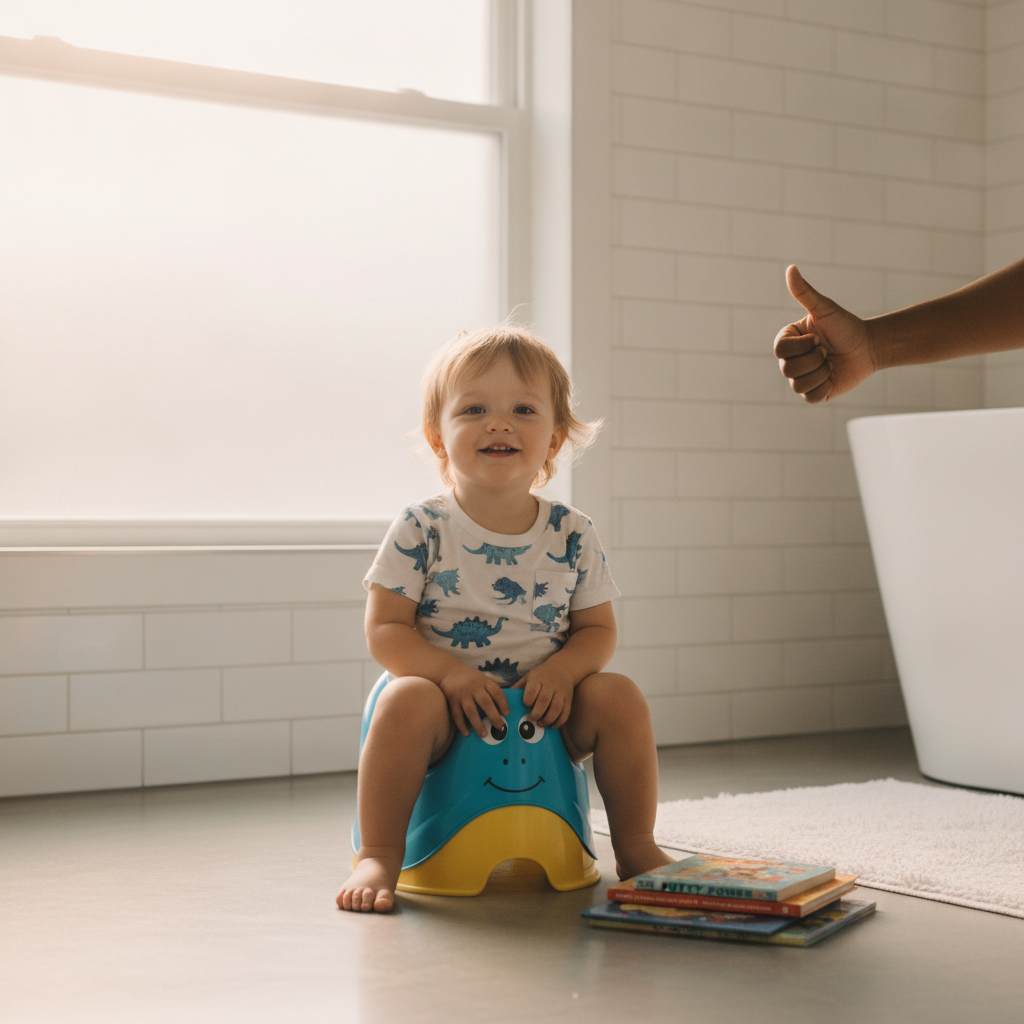
- Positive Reinforcement: Celebrate every success, no matter how small, with enthusiastic praise, high-fives, or small, immediate rewards (stickers, a special dance). Make it a fun, positive experience.
- Modeling: Let your child see you (or another same-sex parent/sibling) use the toilet. Explain what you’re doing.
- Patience and Calmness: Accidents will happen. Reacting with anger or frustration will only create fear and set back progress. Clean up calmly and reassure them.
Your Step-by-Step ‘Quick’ Potty Training Plan
Here’s how to implement an intensive, quick potty training method:
1. Preparation is Key
- Gather Your Gear: Get a child-sized potty chair or a toilet seat insert, easy-to-pull-up underwear (if not going naked), and plenty of easy-to-clean clothes.
- Choose Your Window: Pick a 3-7 day period (a long weekend is ideal) where you can dedicate almost all your attention to potty training with minimal distractions.
- Talk About It: Before you start, talk to your toddler about using the potty. Read books, watch videos, and make it exciting.
2. The Intensive Days Begin
- Go Bottomless: On day one, ditch the diapers. Let your child run around naked or in just a long t-shirt. This helps them feel the sensation of peeing immediately.
- Hydrate Heavily: Offer plenty of liquids (water, juice) to increase opportunities for practice.
- Frequent Potty Visits: Every 15-30 minutes, or whenever you notice a ‘potty dance’ or squat, gently guide them to the potty. Say, ‘Let’s try to go potty!’ or ‘Time to sit on the potty!’
- Celebrate Successes: When they go, celebrate wildly! Clapping, cheering, a special song – make it a huge deal. If they don’t go, that’s okay. Say, ‘That’s alright, we’ll try again soon,’ and move on.
3. Handling Accidents
Accidents are learning opportunities. If an accident happens:
- Stay calm. Avoid scolding or shaming.
- Say something like, ‘Oops, pee-pee on the floor. Pee-pee goes in the potty.’
- Have your child help clean up if they’re willing and able (e.g., hand you a paper towel). This helps them take ownership.
- Immediately take them to the potty to see if they can finish there.
4. Transitioning and Consistency
- Easy Clothing: Once they’re having fewer accidents, transition to loose-fitting, easy-to-pull-down pants (no tricky buttons or zippers).
- Naps and Nighttime: These often take longer. Continue with diapers or pull-ups for naps and nighttime initially. Address them separately once daytime training is solid.
- Out and About: Start with short outings. Take your portable potty or ensure you know where public restrooms are. Continue frequent reminders.
What NOT to Do for a Quick Process
- Don’t Pressure or Punish: This creates anxiety and resistance, making the process longer.
- Don’t Compare: Every child is unique. Focus on your child’s progress, not their cousin’s or friend’s.
- Don’t Be Inconsistent: Flipping between diapers and underwear, or being inconsistent with your routine, will confuse your child.
When ‘Quick’ Isn’t Happening
If after several days of intensive effort, your toddler is still having frequent accidents, showing significant resistance, or not grasping the concept, it’s okay to take a break. Sometimes, a week or two off can make all the difference, allowing your child to mature just a little more before trying again. Reassure them it’s okay, and revisit the signs of readiness.
Conclusion
While there’s no magic formula to guarantee the quickest way to potty train a toddler, a focused, positive, and consistent approach built on a foundation of readiness can significantly speed up the process. Remember to celebrate every small victory, remain patient through accidents, and always prioritize your child’s comfort and developmental pace. You’ve got this!