The Dream of Longer Baby Sleep: Making it a Reality
For new parents, the dream of a baby sleeping through the night often feels distant. The exhaustion from frequent night wakings is real, but with understanding, patience, and consistent effort, you can gently train your baby to sleep longer. This eDiscoverHub.com guide offers practical strategies to help your little one develop healthy sleep habits, benefiting the entire family.
Understanding Baby Sleep Basics
Understanding infant sleep is key. Babies have shorter sleep cycles and more light sleep than adults. Newborns need frequent feeds, but as they grow, their capacity for longer sleep stretches increases with their developing neurology. Our aim is to gently guide them towards this natural ability when they’re developmentally ready.
Laying the Foundation: Environment & Routine
Creating the right conditions is crucial for encouraging longer sleep.
Create a Consistent Bedtime Routine
Babies thrive on predictability. A calming, consistent bedtime routine signals to your baby that it’s time to wind down for sleep. This routine doesn’t need to be long or elaborate, but it should be done in the same order every night. Examples include a warm bath, a gentle massage, putting on pajamas, reading a quiet story or singing a lullaby, and a final feeding. The key is consistency – doing the same steps at roughly the same time each evening.
Optimize the Sleep Environment
The nursery should be a haven for sleep. Aim for a room that is:
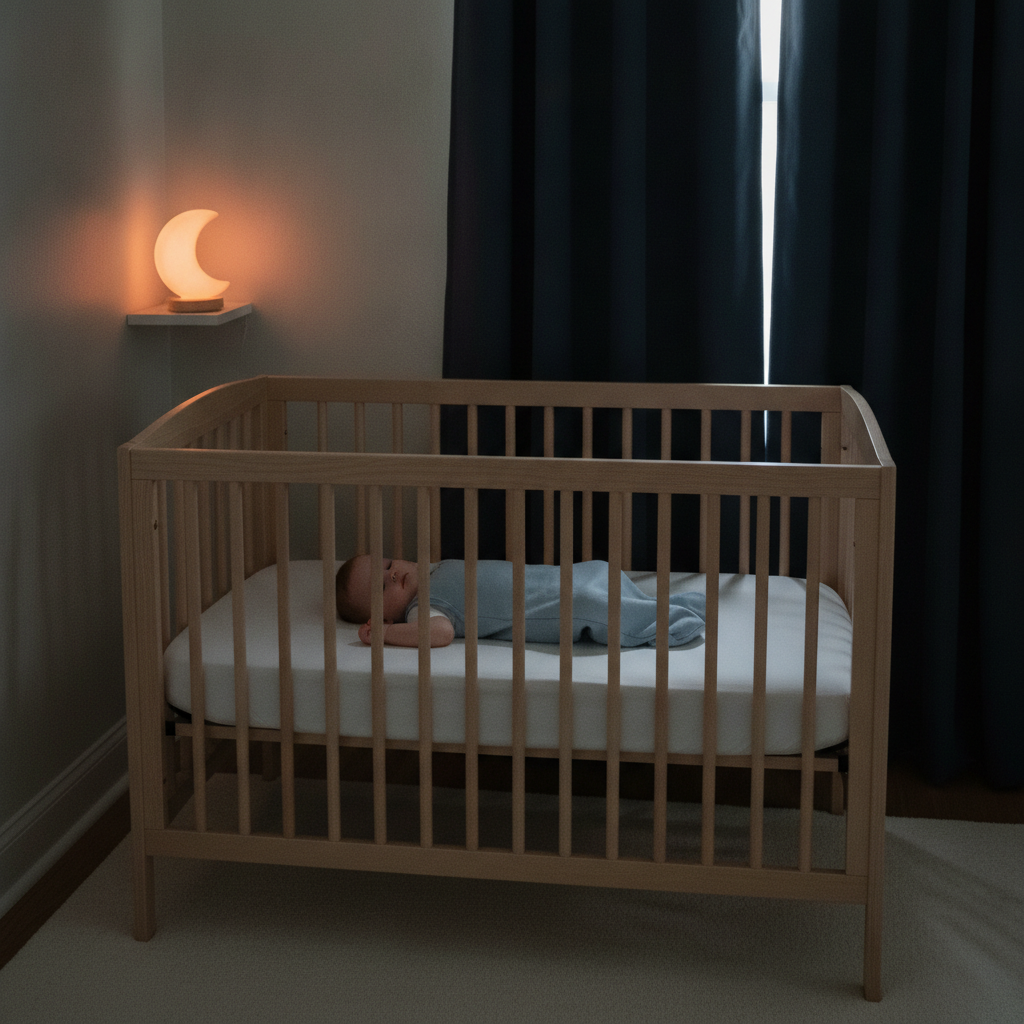
- Dark: Use blackout curtains to block out light, making it easier for your baby’s body to produce melatonin, the sleep hormone.
- Quiet: While some babies prefer complete silence, many sleep well with white noise (a fan, a white noise machine) to block out household sounds and mimic the womb environment.
- Cool: A room temperature between 68-72°F (20-22°C) is generally ideal for baby sleep.
- Safe: Always place your baby on their back in a firm crib mattress, free of loose blankets, bumpers, or toys.
Distinguish Day from Night
Help your baby learn the difference between daytime and nighttime by keeping things bright and stimulating during the day (playtime, errands, social interaction) and dark and quiet at night (dim lights for night feedings, minimal interaction). This helps set their circadian rhythm.
Feeding Strategies for Longer Stretches
Hunger is a primary reason babies wake at night. Strategic feeding can help.
Full Feeds During the Day
Ensure your baby is getting plenty of full feeds during waking hours. This ‘tanking up’ strategy can reduce the need for frequent night feedings. Don’t let your baby ‘graze’ during the day; encourage them to take full feeds.
Consider a Dream Feed (Optional)
A ‘dream feed’ involves gently waking your baby (or feeding them while still mostly asleep) for a feeding right before you go to bed, typically between 10 PM and midnight. The idea is to top them off so they can sleep for a longer stretch, ideally past your own bedtime. Not all babies respond well to dream feeds, so observe if it helps or hinders their sleep.
Teaching Independent Sleep Skills
This is where the ‘training’ aspect comes in – empowering your baby to fall asleep and resettle themselves without your constant intervention.
Put Baby Down Drowsy, But Awake
This is often called the ‘golden rule’ of independent sleep. Instead of rocking or feeding your baby completely to sleep and then transferring them, aim to put them in their crib when they are sleepy but still conscious. This allows them to learn to self-soothe and fall asleep independently in their own sleep space. If they wake up in the middle of the night, they’ll be in the same position they were when they fell asleep, making it easier for them to resettle.
Recognize Sleep Cues
Learn your baby’s unique sleep cues (e.g., yawning, eye rubbing, staring blankly, fussiness). Putting your baby down for sleep when they show early signs of tiredness, rather than waiting until they are overtired, can make a huge difference. Overtired babies often have a harder time falling asleep and staying asleep.
Gentle Sleep Training Methods
Several gentle approaches can help your baby learn to self-soothe by gradually reducing your intervention during night wakings. Methods like ‘Pick Up, Put Down’ involve comforting your baby when they cry, then returning them to their crib drowsy but awake. ‘The Chair Method’ suggests sitting near the crib, offering verbal reassurance, and slowly moving your chair further away over successive nights. ‘Fading’ gradually reduces the amount of assistance you provide for falling asleep, such as shortening rocking time. These methods balance responsiveness with fostering independence. Always ensure your baby’s basic needs are met before beginning any sleep training, and choose an approach that aligns with your family’s comfort level.
Patience, Consistency, and Realistic Expectations
Training your baby to sleep longer is a journey, not a sprint. Consistency is your most powerful tool; stick to your routine and chosen method, understanding that progress isn’t always linear. Growth spurts, teething, illness, and developmental leaps can temporarily disrupt sleep. Be prepared for regressions and gently get back on track. Remember, every baby is different.
When to Seek Professional Help
If you’ve been consistently applying these strategies and your baby is still struggling significantly with sleep, or if you have concerns about their health or development, don’t hesitate to consult with your pediatrician. They can rule out any underlying medical issues and offer personalized advice.
Embrace the Journey to Better Sleep
Helping your baby sleep longer at night is one of the greatest gifts you can give both them and yourself. By establishing a solid foundation with a consistent routine, an optimal sleep environment, strategic feeding, and gentle encouragement of independent sleep skills, you’ll be well on your way to more restorative nights for the whole family. Be patient, be consistent, and celebrate every small victory on this important parenting journey.